

Crushed plastic pellets (regrind) are versatile engineered materials driving circular economies. Their standardized size and composition enable high-value recycling across industries, reducing virgin plastic demand by up to 30-50% in manufacturing. Here’s how they transform waste into resources:
1. Manufacturing Regenerated Products
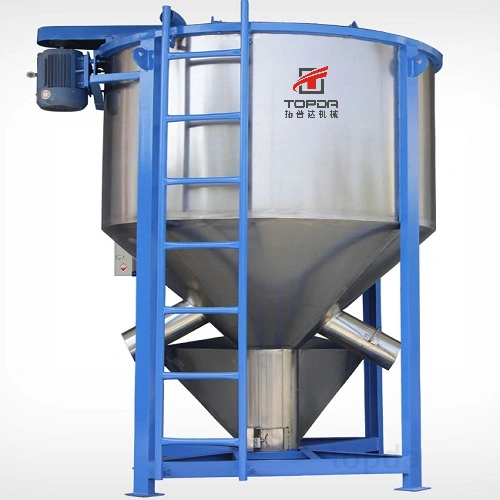
Crushed pellets serve as primary feedstock for injection molding and extrusion. Reprocessed via industrial equipment like TOPDA’s High-Speed Plastic Mixer, they yield homogeneous blends for:
- Containers & Packaging: Food-grade rPET pellets (meeting FDA 21 CFR/EC 10/2011 compliance).
- Automotive Parts: PP/ABS pellets with >95% purity (tested per ISO 11469).
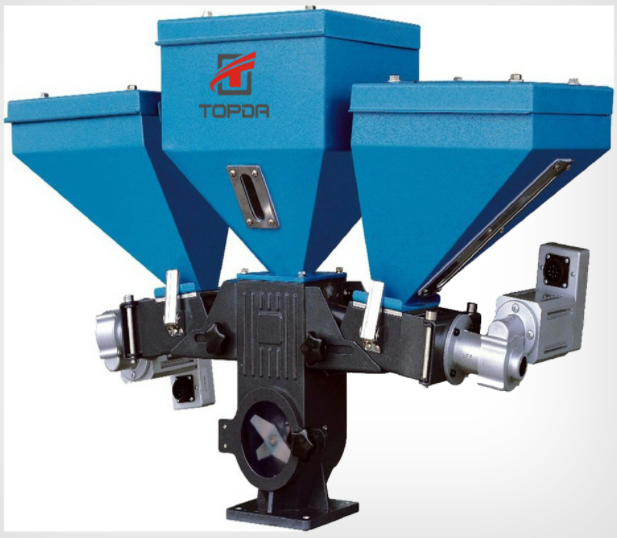
- Consumer Goods: Uniform pellets for toys, furniture, and bins (color consistency ΔE<1.0 via TOPDA’s Volumetric Dosing Unit).
2. Performance-Enhanced Composites
As functional fillers (15-40% loadings), pellets boost material properties:
- Rubber/Concrete: Improve tensile strength (ASTM D638) and reduce density.
- Insulation Materials: Achieve thermal resistance R-values ≥ 4/in (ASTM C518).
TOPDA’s Dosing Units ensure precise regrind/masterbatch ratios for optimal compounding.
3. Construction & Infrastructure
- Lightweight Concrete Aggregates: Pellets reduce weight by 25% vs. traditional fillers (EN 13055-1 certified).
- Waterproof Membranes: HDPE/LLDPE pellets enhance flexibility (-40°C to 80°C operational range).
- Composite Decking: UV-stabilized pellets (tested per ASTM D4329) resist fading.
4. Agricultural Efficiency
- Irrigation Systems: Pellets extrude into drip tapes (withstand 60 PSI pressure, ISO 9261).
- Mulch Films: LDPE pellets enhance biodegradability (OK Biodegradable Soil certification).
5. Advanced Material Innovation
- 3D Printing Filaments: Size-controlled pellets (≤3mm) ensure flow consistency (MFR 5-30g/10min, ISO 1133).
- Biomedical Scaffolds: Medical-grade PP pellets (ISO 10993 biocompatibility).
Why Particle Quality Matters
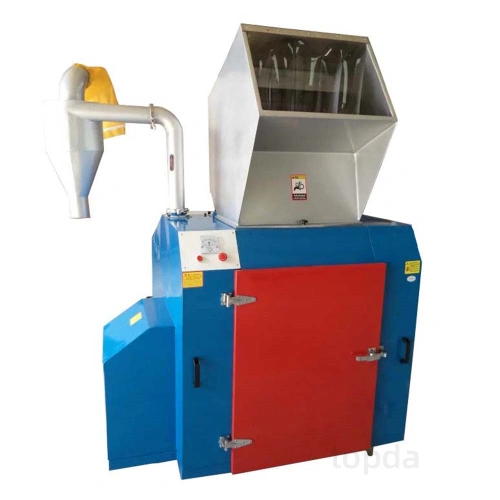
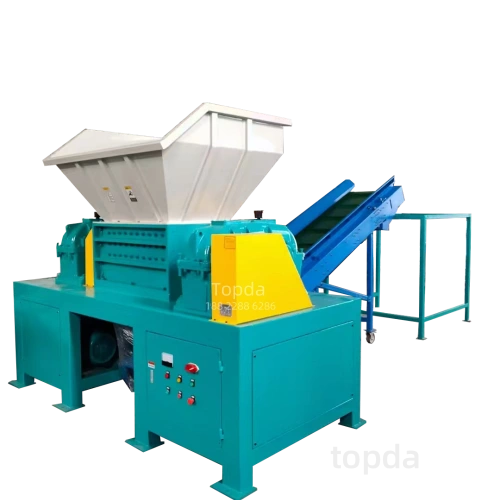
Inconsistent pellet size (>±5mm) or contamination (>0.5%) compromises end-product integrity. TOPDA’s shredding technology guarantees precision:
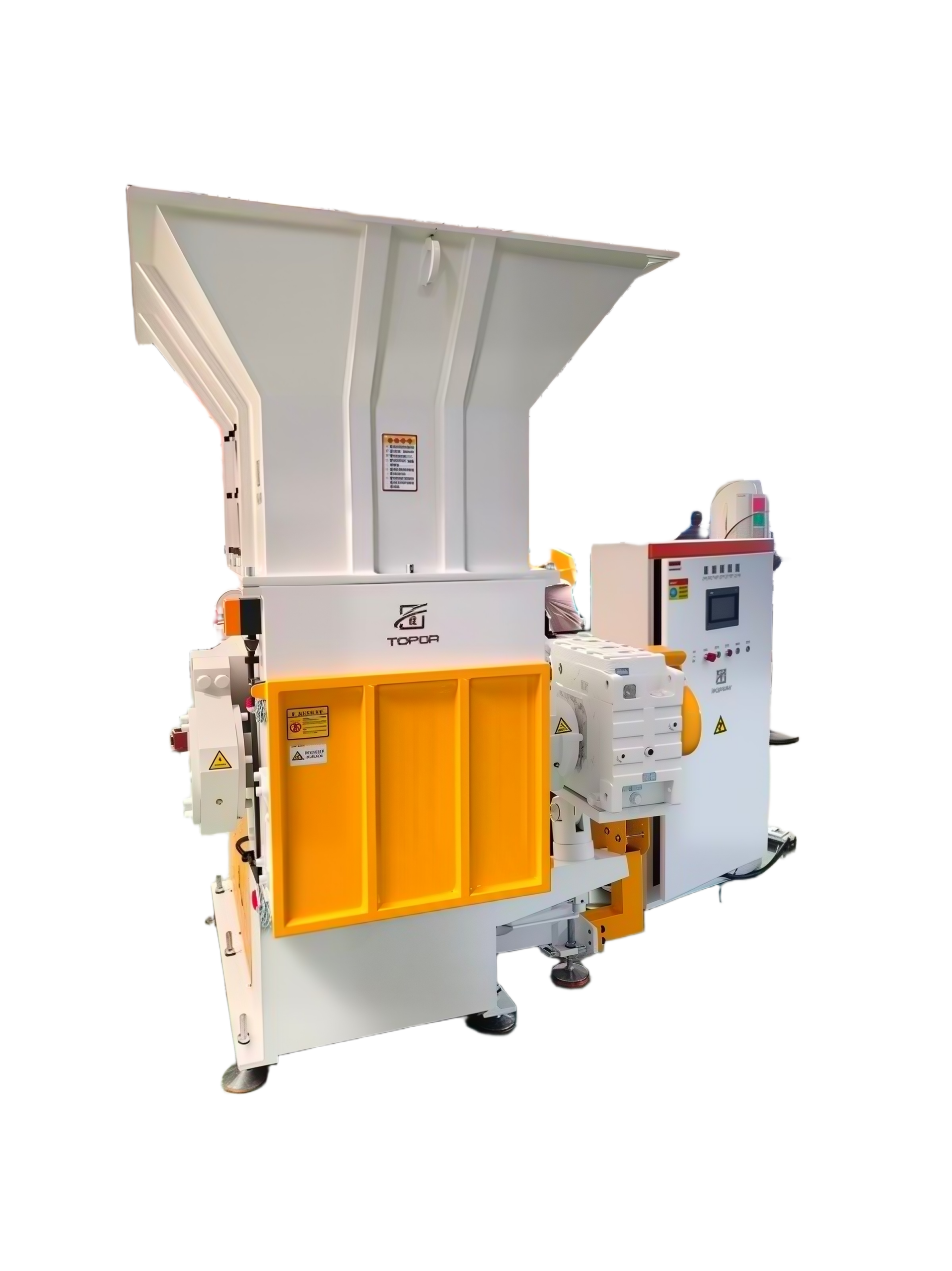
TOPDA V-Series Heavy-Duty Shredders:
- Dual Knife Systems:
- Flat Blades: For rigid plastics (e.g., PVC pipes).
- Claw Blades: For films/fibers.
- Tool Steel Cutters: D2/D6 high-chromium alloy (HRC 58-62), tested for 1,000+ operating hours.
- Optimized Geometry: 25° increased cutting angle improves efficiency by 30% (output: 100-5,000 kg/h).
- Dust & Noise Control: Integrated systems (≤75 dB(A), EN ISO 3744) like the Soundproof Granulator.
Validated by:
- Size Uniformity: SPI PP-001 standards (95% within ±2mm tolerance).
- Purity Screening: Metal detection (ferrous/non-ferrous) and air classification.
TOPDA: Engineering Recycling Excellence
With 10+ years in plastic recycling, TOPDA delivers CE/ISO-certified solutions:
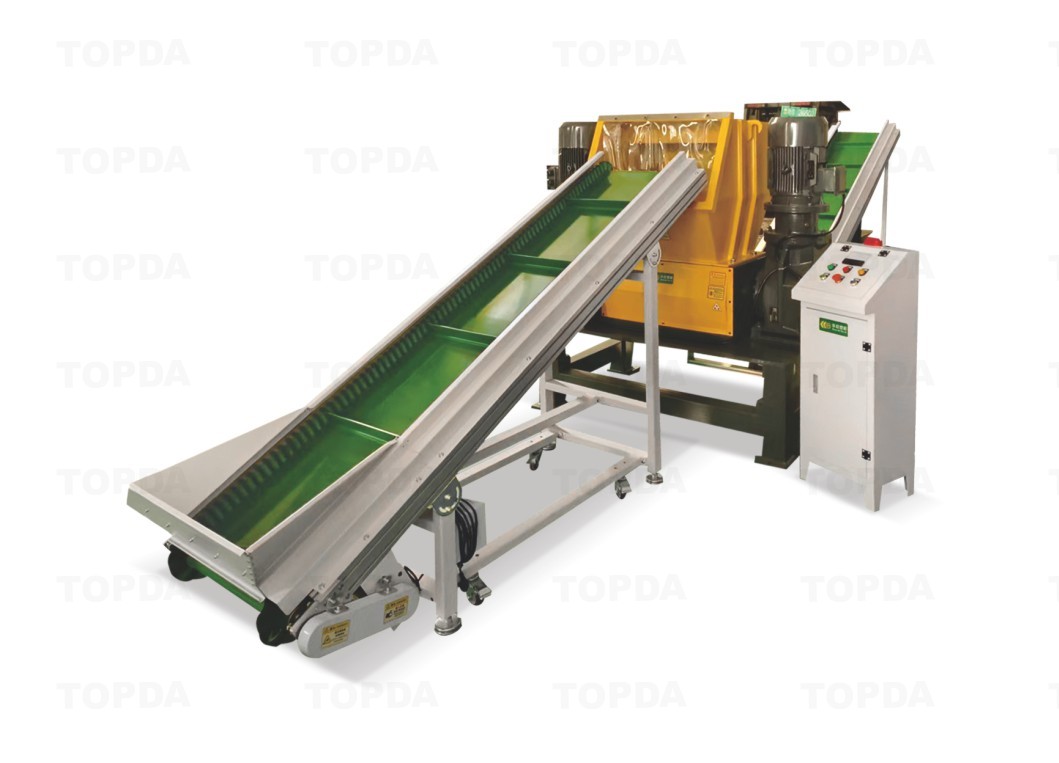
- Pre-Shredding: Single Shaft Shredders for bulky waste.
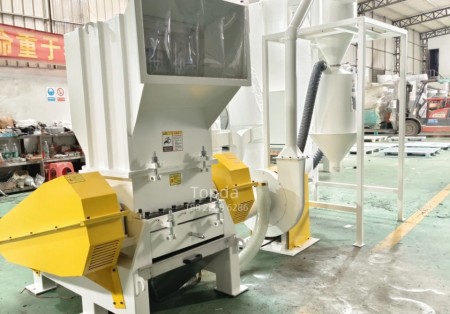
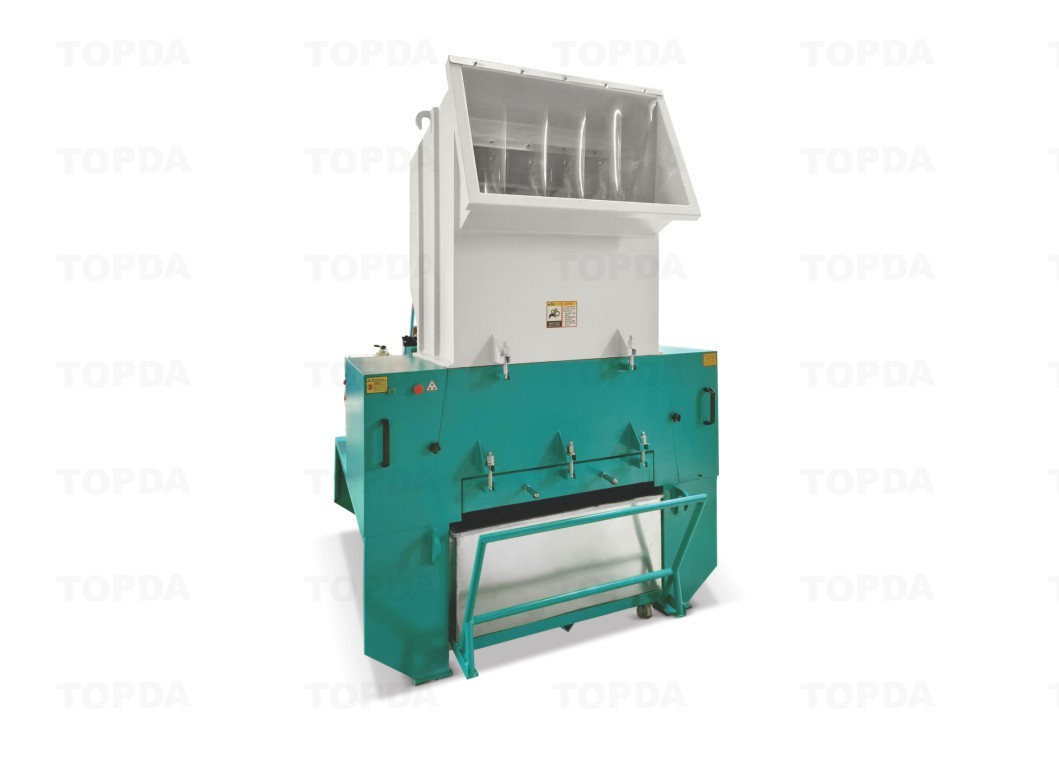
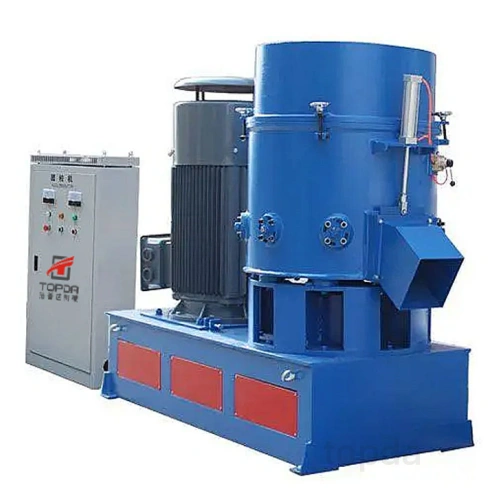
- Size Reduction: Plastic Crushers producing 3-15mm pellets.
- Material Handling: Automated dosing/blending systems.
“TOPDA shredders achieve 99% granulation yield – maximizing pellet usability while minimizing waste.”
Drive Sustainability with Precision-Ground Pellets
From construction to biotech, TOPDA’s shredding systems unlock plastic’s circular potential. Explore our Plastic Recycling Machines for ASTM/ISO-compliant pellet production.